Breast augmentation surgery, commonly referred to as a "boob job," is done to enhance the size, shape, and proportion of your chest.
Enhance Your Breasts
Thinking about enhancing your breasts? Board-certified plastic surgeon Dr. John A. Kotis offers his vast experience in breast surgery. Dr. Kotis’s compassionate, detail-oriented approach ensures the best results for all patients considering breast augmentation in Chicago & Arlington Heights.
What is Breast Augmentation?
A breast augmentation surgery, or mammoplasty, increases the size and proportion of a woman’s breasts. During a mammoplasty, Dr. Kotis places breast implants in front or behind the pectoral muscle and beneath the mammary gland. As a cosmetic option, a breast augmentation procedure can be performed in combination with a breast lift to create a more desired look.
What Are The Benefits Of Breast Augmentation?
Sculpt full, beautiful breasts that are proportionate to your figure
Restore your firm and elevated pre-baby chest
Feel more comfortable in your body
Correct any breast asymmetry

Kotis
Our Difference
Many plastic surgeons offer breast augmentation procedures – but a select few share Dr. Kotis’s vast expertise, years of experience, and unique approach.
Board-certified, compassionate, and meticulously detail-oriented, Dr. Kotis treats his patients like family members. To that end, he is wholly dedicated to keeping you safe while creating the precise breasts you’ve always wanted.
Am I a Candidate for Breast Augmentation?
Generally speaking, women who are in good physical and mental health and have realistic expectations for the outcome of the procedure are considered to be ideal candidates for breast augmentation in Chicago with Dr. Kotis.
Some other criteria include:
Are at least 18 of age (for saline implants) or at least 22 years of age (for silicone gel implants)
Exercise on a regular basis and be at a weight that they can maintain long-term
Have fully-developed breasts
Moreover, this procedure is ideal for women who:
Are currently pregnant or breast-feeding
Are currently dealing with an infection
Have been diagnosed with cancer and are currently receiving treatment
Breast Implant Testimonial From a Patient of Dr. Kotis
— JJ, Arlington Heights, IL

Beautifully Enhanced Breasts - on your terms
Breast augmentation is a highly customizable procedure.
There are countless ways to customize your breast implants. From shape, size, and material Dr. Kotis will guide you through tailoring your procedure and achieving the precise cosmetic outcome you desire.
Breast Augmentation Patient Testimonial

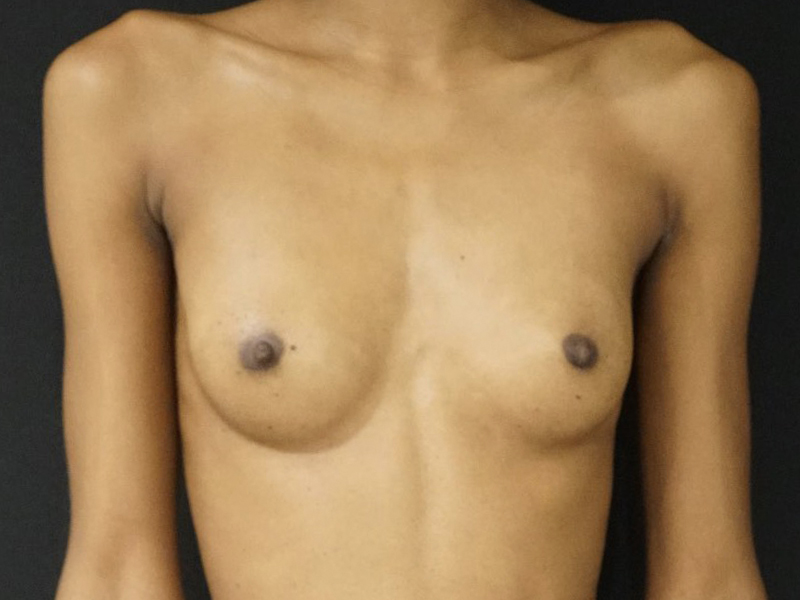
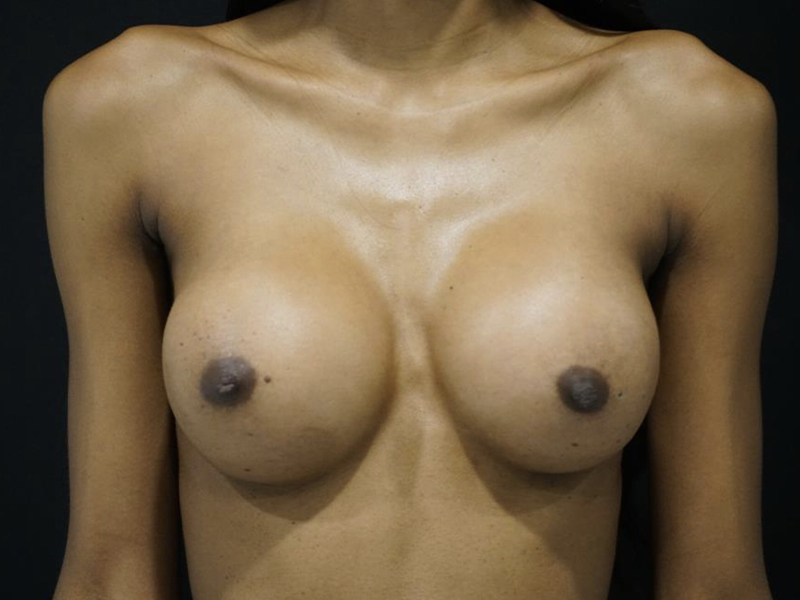


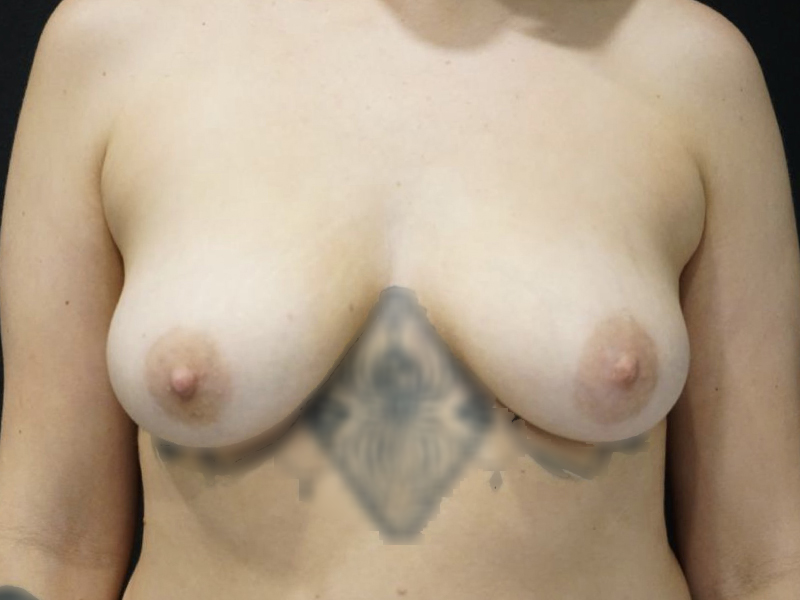
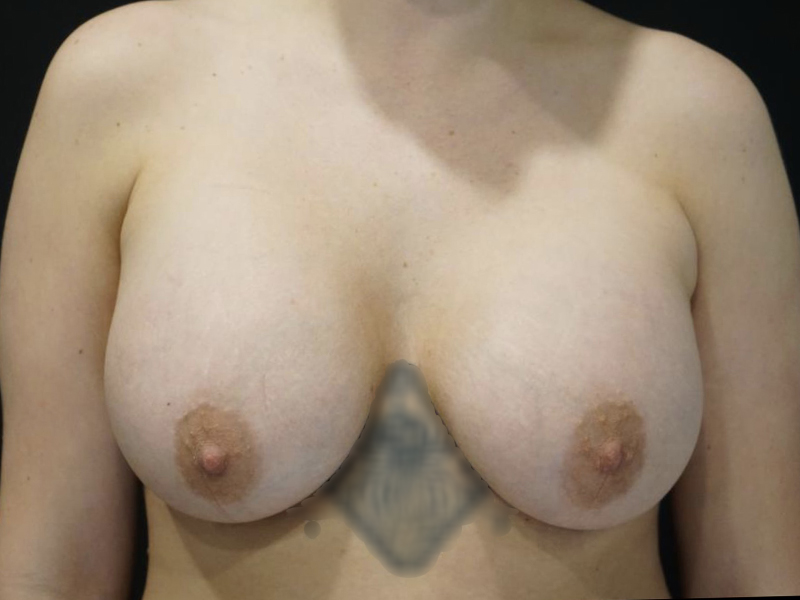
The Procedure
Your breast augmentation will be done under general anesthesia, which means you will be completely asleep and unable to feel any pain or discomfort.
During surgery, Dr. Kotis will create the incision discussed during your initial consultation and place your breast implants either above or below the pectoral muscle. After checking the implants for size, shape, and position, he carefully closes the incisions to minimize scarring.
Here is a look at the decisions you will need to make when planning your surgery with Dr. Kotis:
What are the different types of breast implants?
Before breast augmentation surgery in Chicago with Dr. Kotis, patients will choose a breast implant type and size. Each of the following implants provide different results for patients.
Saline Breast Implants
It is placed behind or before the muscle is filled with a saltwater solution. This method allows patients to have smaller incisions.
Create a round and voluptuous look
Require a 1.3-inch incision
In the event of a rupture, the body will absorb the saline solution
Approved for women 18 years of age and older
Silicone Breast Implants
Pre-filled implants. These implants may require slightly larger incisions, but offer patients a more natural shape and feel.
Look and feel like natural breast tissue
Require a 1.8-inch incision
Maintain their shape in the event of a rupture
Approved for women 22 years of age and older
Shaped Breast Implants
We offer round and tear-dropped implants. When inserted, these implants create a specific contour to the breasts. Additionally, patients can choose implants with smooth outer or textured surfaces, depending on their desired surgical results.
Gummy Bear Breast Implants
A type of shaped implant made of a strong, cohesive gel that offers a tear-drop appearance that mimics the natural contour and feel of female breasts. Unlike other options, a gummy bear implant remains within the breast.
Breast Augmentation
Actual Patient
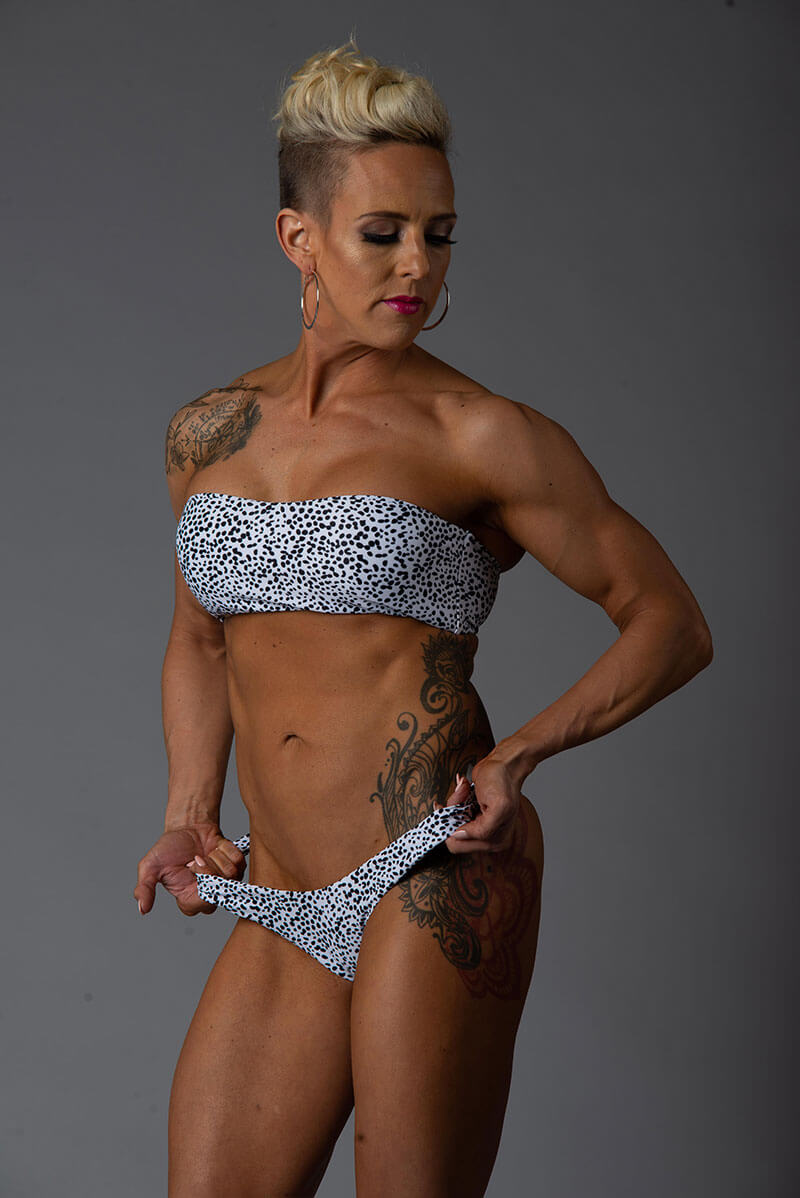
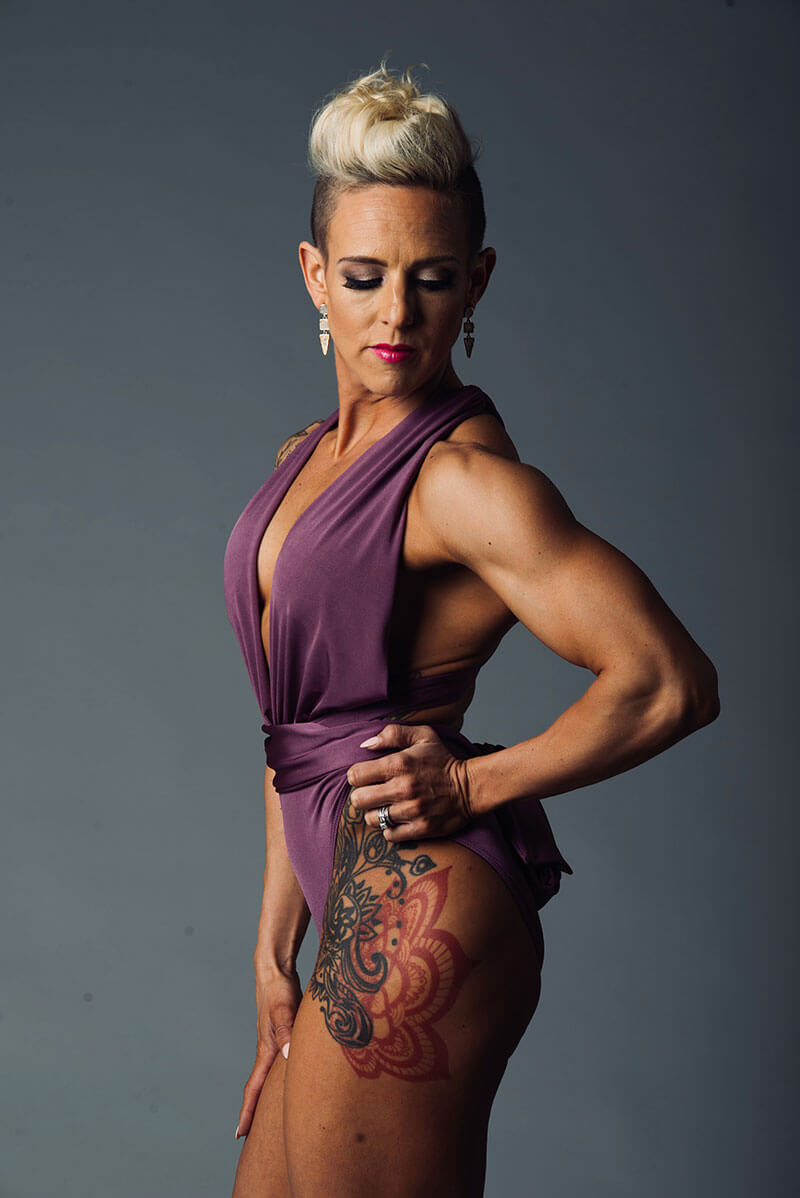
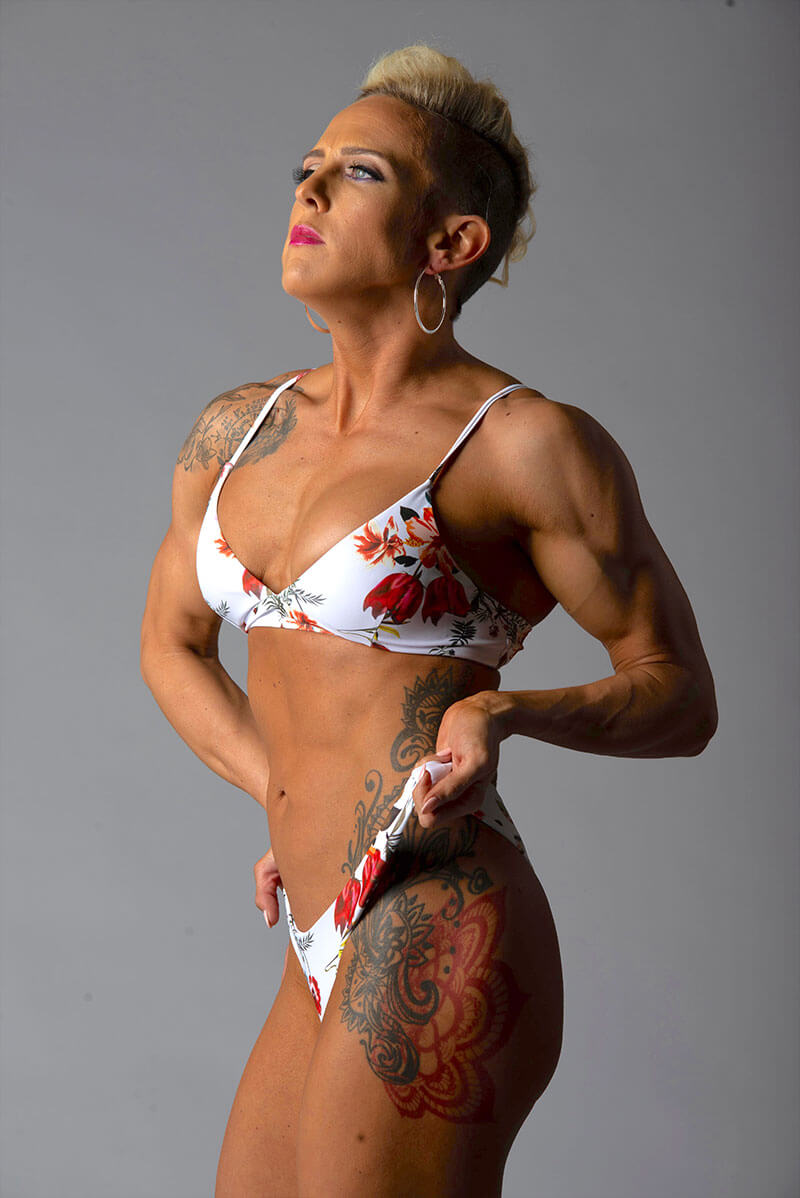
Breast Shape: Round or Anatomical?
There are two basic breast implant shapes – round and anatomical – and each option has its own set of pros and cons.
Here’s what you need to know:
Round
Available in a variety of profiles
Can be customized for either maximum projection or a natural look
No risk of rotation, which is a risk with anatomical implants (tear shaped implants)
Anatomical
Designed to mimic the shape of a natural breast
Often used during reconstruction procedures
May rotate within the breast implant pocket

Breast Implant Sizing: Getting it Right
Choosing the correct size of breast implant is a critical part of your journey to more beautiful breasts. There are several ways to get a real-world concept of how your new breasts will look.
Here’s what you need to know:
Size Large or Small?
It’s worth noting that this process is much more complicated than simply selecting a cup size. If your breast implants are not appropriately sized, you will be at a heightened risk for capsular contracture, a severe complication of breast augmentation surgery. Additionally, you will likely be unsatisfied with the results if your implants are too large or too small for your figure.
Rice Test:
One way to get a sense of the right size is to simply get a pair of knee-high pantyhose and fill them with various quantities of dry rice or other grain. Breast implant sizes are in cubic centimeters (cc), and you can visualize how various sizes will appear on your body with these quantities of grain:
30cc = 1/8 cup rice
59cc = 1/4 cup rice
78cc = 1/3 cup rice
118cc = 1/2 cup rice
156cc = 2/3 cup rice
177cc = 3/4 cup rice
236cc = 1 cup rice

Kotis
Chestand TorsoRatio
Measuring your chest and torso is helpful for choosing the right implant size and shape to ensure a natural look that suits your body. Dr. Kotis meticulously measures your chest and torso to help you select implants proportionately for your body.
Where are the incisions for breast implants located?
After a patient determines the implant shape and type, Dr. Kotis will help review the incision placement options. These include:
Periareolar Incision
It is made around the areola, or darkened area, of the nipple. It is important to note that this type of incision carries a higher risk. Patients may lose nipple sensitivity after a periareolar incision.
Inframammary Incision
The most commonly used incision, an inframammary incision, is made below the breast. It is placed within the breast's crease so the scars are hidden. Unlike the periareolar incision, an inframammary incision rarely causes loss of nipple sensation.
Axillary Incision
Another option is a transaxillary incision. Dr. Kotis makes the incision in the armpit. Because patients’ incisions are located under the arm, they may avoid noticeable scarring around the breast.
TUBA Incision
A transumbilical augmentation incision, or TUBA incision, is another conveniently placed incision. Dr. Kotis makes this incision near the navel, where he uses an endoscopic technique to place the breast implants.

Breast Implant Placement
Subpectoral
This option involves placing the implant beneath the pectoral muscle. It’s a more invasive technique that requires an additional incision and results in a slightly more intensive recovery. However, implants in this way look and feel very natural.
Subglandular
This approach places the implant closer to the skin’s surface, above the pectoral muscle. It is slightly easier than submuscular surgery, resulting in a nicely lifted appearance.
Dual-Plane
A variation of subpectoral implant placement involves positioning the implant partially beneath the muscle, popular among patients with mild breast sag seeking enhanced lower-pole volume.
Breast Augmentation Recovery
After breast augmentation with Dr. Kotis, patients are driven home by their caregiver and given aftercare instructions for recovery. Swelling and discomfort are typical for the first few weeks, and patients wear supportive garments and bandages until their breasts heal.
During the first few weeks, you will be instructed to:
Take your prescribed medication as directed to manage your discomfort
Wear supportive garments and bandages to support your new breast contours
Walk lightly around the house to promote healing
Avoid strenuous activity
Get plenty of rest
How Much Does Breast Augmentation Cost In Chicago, IL?
To best determine the cost of your breast augmentation, we recommend scheduling a consultation with Dr. Kotis at his Chicago or Arlington Heights practice. Our office offers various payment options to make it easy for our patients to get the cosmetic care they need – when they need it.
In addition to accepting cash, credit, and personal checks, we are proud to partner with Alphaeon Credit to increase the accessibility and affordability of our cosmetic procedures.
A breast augmentation may be best utilized if packaged with other procedures:
Can I combine breast augmentation with other procedures?
It may be the best utilization for you, both financially and for an overall look, to package your breast augmentation within a full mommy makeover procedure or breast lift which Dr. Kotis specializes in delivering.
Breast Augmentation Surgery FAQ:
How does Breast Augmentation surgery affect pregnancy and breastfeeding?
In general, breast implants do not complicate pregnancy, and most women can breastfeed following breast augmentation. However, exceptions exist due to variations in breast tissue.
Will I have scarring?
Most procedures result in minimal visible scarring, with TUBA and underarm incisions having the least potential for visible scarring.
How long will my recovery take?
Usually, normal activities can be resumed within four to six weeks, with complete healing in six months to a year.
Is breast augmentation surgery right for me?
Breast augmentation may be suitable if you have a healthy self-image and seek improved confidence. Realistic expectations about the procedure's outcomes are essential.
What type of implant and procedure should I have?
The type of implant and procedure best suited for you can be determined after a thorough consultation and examination with Dr. Kotis.
Can breast augmentation help regain lost volume?
Breast augmentation enhances volume and shape, offering an effective solution to regain lost volume and achieve desired breast fullness.
CAN BREAST IMPLANTS IMPACT THE ACCURACY OF MAMMOGRAM RESULTS?
Breast implants may pose challenges in mammogram interpretation, requiring specialized techniques for a more accurate assessment. It is essential to inform healthcare providers about the implants for appropriate screening.
Breast Augmentation Testimonial From a Patient of Dr. Kotis
— M.E., Chicago, IL
We Make it Easy
to get the cosmetic care you need
Our office offers an array of payment options to make it easy for our Arlington Heights patients to get the cosmetic care they need – when they need it. In addition to accepting cash, credit and personal checks, we are also proud to partner with Alphaeon Credit to increase the accessibility and affordability of our cosmetic procedures.
Breast Augmentation Consultation
Beautifully voluptuous breasts can be yours. Contact our offices in Chicago or Arlington Heights today to schedule a consultation and begin planning for your transformation.
Contact Us
Dr. Kotis, premier plastic surgeon Chicago, specializes in tummy tuck surgery, breast augmentation, liposuction, Brazilian butt lift & mommy makeovers in Chicago
2026 © Kotis Plastic Surgery. All Rights Reserved.